Paleo vs Keto: Key Differences, Pros and Cons
2026-06-21
Paleo focuses on whole, unprocessed foods and excludes grains, legumes, and dairy, but allows fruit and starchy vegetables.Continue Reading

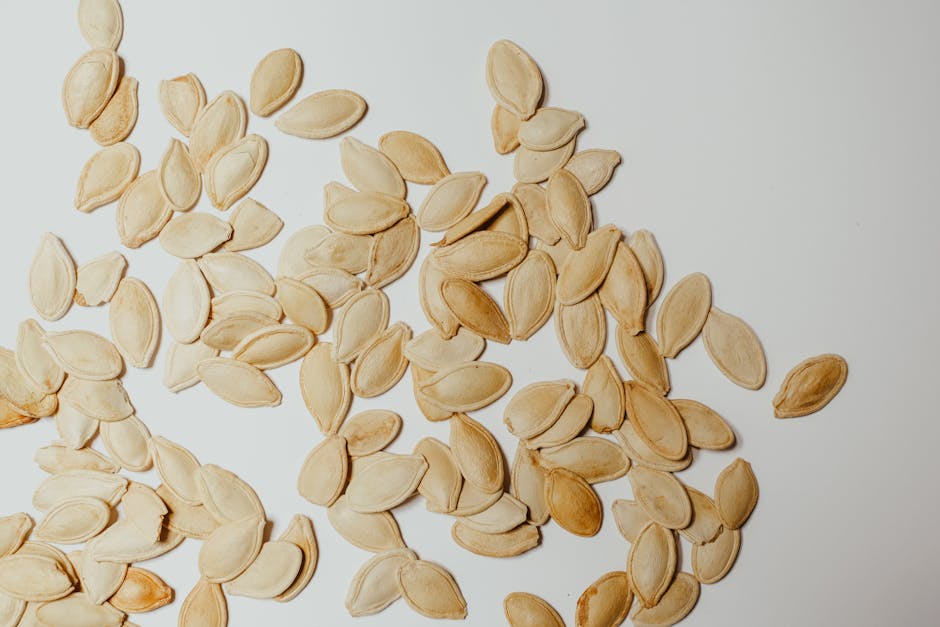
The Paleo Diet for athletes, inspired by the eating habits of our Paleolithic ancestors, emphasizes whole foods such as lean meats, fish, fruits, vegetables, nuts, and seeds. This diet eliminates processed foods, grains, and dairy, aiming to improve overall health and athletic performance. Athletes who adopt a Paleo diet often experience increased energy levels, improved endurance, and faster recovery times due to the elimination of inflammatory foods and consumption of nutrient-dense meals.
Post-workout recovery is crucial for muscle repair, energy replenishment, and injury prevention. The Paleo Diet offers optimal recovery foods that support natural muscle rebuilding processes.
Incorporating anti-inflammatory foods like leafy greens, berries, and turmeric into the diet can reduce post-exercise inflammation, facilitating quicker recovery.
Omega-3-rich foods such as salmon, walnuts, and flaxseeds aid in enhancing recovery and reducing muscle soreness.
Nuts like almonds and chia seeds provide healthy fats and protein, offering quick energy boosts for athletes on the go.
Pairing dried fruits with jerky creates a convenient, portable snack rich in natural sugars and protein.
Including lean meats such as chicken, grass-fed beef, and fish in the diet promotes optimal muscle growth.
Carb cycling, alternating between high-carb and low-carb days, is beneficial for energy optimization. Athletes can consume foods like sweet potatoes and fruits on high-carb days and focus on fats and proteins on low-carb days.
Adopting the Paleo Diet offers athletes a natural and effective way to enhance performance, support muscle recovery, and reduce inflammation. By focusing on nutrient-dense foods, athletes can achieve their fitness goals successfully.
The guidance in this article is checked against the following public health and standards sources. They are worth reading in full for the underlying detail.
© Paleolifecoach.com 2026
