
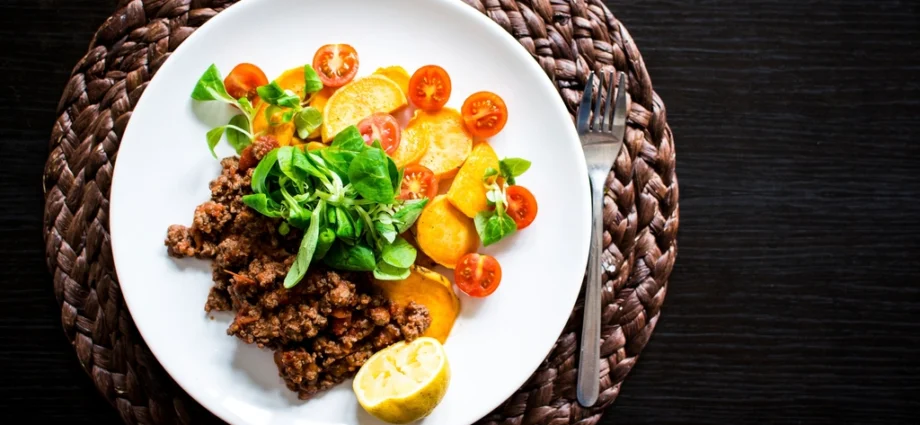
What Actually Makes a Meal “Paleo”?
The word “paleo” is short for Paleolithic, and the diet is built on a simple premise: eat the kinds of foods that humans ate before agriculture and industrial food processing. In practice, that means every meal you put together should be recognizable as something that could have been hunted, fished, foraged, or gathered—nothing that requires a factory to produce.
The quick version: A paleo meal combines a quality protein (meat, fish, or eggs), non-starchy vegetables, and a whole-food fat like avocado or olive oil. It excludes grains, legumes, dairy, refined sugar, and processed oils — anything requiring industrial production to make.
Consider this general nutrition reading, not a replacement for advice from your doctor or a registered dietitian.
What to remember
- Every paleo meal needs three things: a quality protein, a vegetable base, and a whole-food fat source
- Grains, legumes, dairy, refined sugar, and seed oils like canola and soybean oil are all excluded
- Batch cooking on weekends (egg muffins, soups, roasted proteins) is the most reliable way to stay consistent
- Lunch is the highest-risk meal; packing lettuce wraps, big salads, or thermos soups prevents derailment
- Many packaged ‘paleo’ products contain non-compliant additives — reading ingredient labels is essential
- At restaurants, order grilled protein, swap grains for vegetables, and ask for olive oil and lemon instead of standard dressings
A well-constructed paleo meal has three reliable pillars:
- A quality protein source — grass-fed beef, wild-caught fish, pasture-raised chicken, eggs, or game meats
- A generous vegetable base — leafy greens, cruciferous vegetables, root vegetables, and anything colorful
- A whole-food fat source — avocado, olive oil, coconut oil, nuts, or seeds
Fruit fits naturally into paleo eating as well, though people managing blood sugar often treat it as a side or dessert rather than a centerpiece. What you will not find in a paleo meal: bread, pasta, rice, beans, lentils, cow’s milk, refined sugar, or anything with a long list of chemical additives.
This is general nutrition information, not medical or dietary advice. If you have a health condition or specific nutritional needs, consult a registered dietitian or your healthcare provider before making significant dietary changes.
The Paleo Food List at a Glance
Before building meals, it helps to have a clear picture of what is in bounds and what is out. The table below covers the most common food categories:
| Food Category | Paleo-Approved | Not Paleo |
|---|---|---|
| Protein | Beef, chicken, turkey, pork, lamb, fish, shellfish, eggs, game meats | Processed deli meats with additives, soy-based proteins |
| Vegetables | Spinach, kale, broccoli, peppers, zucchini, sweet potato, beets, carrots | Corn (treated as a grain), peas, lentils (legumes) |
| Fruits | Berries, apples, bananas, mangoes, citrus, melons | Dried fruit with added sugar, fruit juice concentrates |
| Fats & Oils | Avocado oil, olive oil, coconut oil, ghee (often accepted), animal fats | Canola oil, soybean oil, sunflower oil, margarine |
| Nuts & Seeds | Almonds, walnuts, pecans, macadamias, pumpkin seeds, sunflower seeds | Peanuts (a legume), roasted nuts with industrial oils |
| Grains | None | Wheat, oats, rice, corn, barley, quinoa |
| Dairy | Ghee (widely accepted), coconut milk | Milk, cheese, yogurt, butter (some allow butter) |
| Sweeteners | Raw honey, pure maple syrup (used sparingly) | White sugar, high-fructose corn syrup, artificial sweeteners |
How to Portion a Paleo Plate
A simple template works for any meal, whatever ingredients you have on hand:
- Protein anchor: a palm-sized portion, roughly 4 to 6 oz cooked for most adults, such as chicken thighs, ground beef, a salmon fillet or eggs.
- Vegetables: about half the plate, roasted, steamed, raw or sauteed.
- Fat: a drizzle of olive oil, half an avocado, or cooking the protein in avocado or coconut oil.
- Optional starch: sweet potato, butternut squash, plantain or beets, especially if you are physically active.
Feeding a mixed household: build the meal around a shared protein, such as grilled salmon or burger patties, and let each person choose sides. Paleo eaters take roasted vegetables or sweet potato; others can add a bun or rice. That avoids cooking two separate dinners.
Keeping costs down: chicken thighs usually cost less than breasts, eggs bought in bulk and canned fish are inexpensive proteins, and frozen and seasonal vegetables stretch the budget.
Building a Paleo Breakfast: More Than Just Eggs
Breakfast is where many people struggle most with paleo eating, because so many common morning foods (cereal, toast, yogurt, oatmeal) are off the table. Once you stop thinking in terms of “breakfast foods,” though, the options open up considerably.
Practical Paleo Breakfast Ideas
- Sweet potato hash with eggs: Dice sweet potato and cook it in avocado oil with onion and bell pepper. Top with two or three fried or poached eggs. This is filling, naturally sweet, and takes about 20 minutes.
- Smoked salmon with avocado and cucumber: No cooking required. Layer wild-caught smoked salmon over sliced avocado and cucumber rounds. Add a squeeze of lemon and some capers if you have them.
- Egg muffins (batch-prep friendly): Whisk eggs with chopped spinach, diced bacon, and mushrooms, pour into a muffin tin, and bake. Make a batch on Sunday and reheat through the week.
- Leftover dinner protein with vegetables: There is nothing wrong with eating last night’s salmon or chicken alongside roasted vegetables in the morning. Many cultures eat savory breakfasts by default.
If you are in a rush, a handful of raw nuts and a piece of whole fruit is a perfectly valid paleo breakfast. It is simple, portable, and keeps you away from the drive-through.
Paleo Lunch: Staying Compliant When You Are Away from Home
Lunch is the meal most likely to derail paleo eating, particularly when you are at work, traveling, or eating at a restaurant. The default lunch options in most settings (sandwiches, wraps, pasta salads, grain bowls) are all built around non-paleo ingredients. Planning ahead matters more at lunch than at any other meal.
Meal-Prep Lunch Strategies
The big salad with protein: Build a large salad with mixed greens, roasted vegetables, sliced avocado, and a palm-sized portion of chicken, tuna, or hard-boiled eggs. Dress it with olive oil and lemon juice or a compliant store-bought dressing (check labels carefully—many contain soybean oil or sugar).
Lettuce-wrap “sandwiches”: Any filling you would put in a sandwich works in large romaine or butter lettuce leaves. Ground turkey with salsa and avocado, sliced steak with roasted peppers, or tuna mixed with avocado instead of mayo all work well.
Soup in a thermos: A broth-based soup loaded with vegetables and shredded chicken or beef travels easily and stays warm for hours. Make a large pot at the weekend and portion it into containers.
Ordering Paleo at Restaurants
Most restaurants can accommodate paleo eating if you ask the right questions. Order grilled or roasted protein, ask for vegetables instead of rice or bread, and request olive oil and lemon on the side instead of standard dressings. Steakhouses, seafood restaurants, and Mediterranean-style places tend to be the easiest environments for paleo eaters.
Paleo Dinner: The Anchor Meal of the Day
Dinner is typically the easiest paleo meal to execute at home because you have time, equipment, and full control over ingredients. The key is building a rotation of reliable recipes so you are not reinventing the wheel every night.
Weeknight Paleo Dinner Scenarios
Scenario 1 — The 20-minute sheet pan meal: Toss chicken thighs, broccoli florets, and sliced sweet potato in avocado oil, season generously with garlic, paprika, salt, and pepper, and roast at a high temperature until the chicken is cooked through and the edges are caramelized. One pan, minimal cleanup, completely paleo.
Scenario 2 — Ground meat stir-fry: Brown ground beef or turkey in a skillet, add shredded cabbage, julienned carrots, garlic, and ginger, and toss with coconut aminos (a soy sauce alternative that is paleo-compliant). Serve over cauliflower rice if you want a grain-free base.
Scenario 3 — The slow cooker approach: For busy households, a slow cooker is a paleo essential. A beef chuck roast with root vegetables, bone broth, and herbs cooks unattended all day and produces multiple servings. The collagen from the bone broth adds richness without any non-paleo ingredients.
Scenario 4 — Simple grilled fish: A salmon fillet or a piece of cod requires almost no preparation. Season it, cook it in a pan or on a grill for a few minutes per side, and serve alongside roasted asparagus and a simple green salad. This is one of the fastest complete paleo dinners you can make.
Paleo Snacks and How to Handle Hunger Between Meals
One advantage of paleo eating is that meals built around protein and fat tend to be genuinely satiating. Many people find they need fewer snacks once they are eating enough at main meals. That said, snacks are sometimes necessary, and having compliant options ready prevents reaching for non-paleo convenience foods.
Reliable Paleo Snack Options
- Raw nuts and seeds — almonds, walnuts, macadamia nuts, or pumpkin seeds in a small handful
- Fresh fruit with almond butter — apple slices or celery with a tablespoon of unsweetened almond butter
- Hard-boiled eggs — easy to batch-prep and store in the refrigerator for up to a week
- Sliced vegetables with guacamole — carrot sticks, cucumber, and bell pepper strips are all good dippers
- Compliant jerky — look for beef or turkey jerky made without sugar, soy, or artificial preservatives; these exist but require label reading
- Coconut milk chia pudding — chia seeds are paleo-compliant, and a pudding made with full-fat coconut milk and a little raw honey satisfies sweet cravings
Paleo Swaps for Common Meal Staples
| Standard component | Paleo swap | Notes |
|---|---|---|
| White or brown rice | Cauliflower rice or diced sweet potato | Cauliflower rice is lower in carbs; sweet potato adds more energy |
| Pasta | Zucchini noodles or spaghetti squash | Pairs well with meat-based sauces |
| Sandwich bread | Lettuce wraps or portobello mushroom caps | Works for burgers and wraps |
| Soy sauce | Coconut aminos | Similar savory flavor, slightly sweeter, soy-free |
| Vegetable or canola oil | Avocado oil, olive oil or coconut oil | Avocado oil suits high-heat cooking |
| Peanut butter | Almond butter or sunflower seed butter | Peanuts are legumes; tree nut and seed butters fit paleo |
| Milk or cream | Full-fat coconut milk | Works in soups, curries, smoothies and sauces |
Make it last: keep a rotation of 10 to 15 go-to meals so you are not hunting for new recipes every night, and stock pantry staples such as canned coconut milk, coconut aminos, almond butter, canned fish, olive oil, ghee and dried herbs and spices so an improvised meal is always possible.
Common Mistakes People Make on Paleo (and How to Avoid Them)
Not eating enough calories: Removing grains and dairy removes a significant number of calorie-dense foods. If you feel fatigued or constantly hungry in the first few weeks, you may simply need to eat more—more protein, more starchy vegetables, more healthy fat.
Over-relying on nuts: Nuts are easy and convenient, but eating large quantities adds up quickly in calories and omega-6 fatty acids. Treat them as a condiment or small snack, not a meal replacement.
Trusting “paleo-labeled” packaged foods: The term paleo is not regulated, so packaged products labeled as paleo can still contain ingredients that a strict paleo follower would avoid. Reading the full ingredient list is always necessary.
Neglecting variety in vegetables: It is easy to default to the same two or three vegetables. Rotating through different colors and types ensures a broader range of micronutrients and keeps meals from becoming monotonous.
Skipping meal prep: Paleo eating takes more cooking from scratch than a standard diet. Without some advance preparation, like batch-cooking proteins, roasting a tray of vegetables, or hard-boiling eggs, it is easy to find yourself with nothing compliant on hand when hunger strikes.
The paleo framework is flexible enough to suit a wide range of lifestyles and preferences. If you are cooking for a family, meal-prepping solo, or ordering off restaurant menus, the core principle stays the same: whole food, real ingredients, and a plate that would look recognizable to someone who had never heard of a food factory.
Frequently Asked Questions
What can I eat for breakfast on paleo if I’m tired of eggs?
Smoked salmon with avocado and cucumber requires no cooking and takes minutes to assemble. Leftover dinner protein with roasted vegetables is another solid option — many cultures eat savory breakfasts by default. In a pinch, raw nuts and a piece of whole fruit is a portable, compliant choice.
Are sweet potatoes paleo?
Yes, sweet potatoes are paleo-approved. They’re a whole, unprocessed root vegetable that fits naturally into the diet as a carbohydrate source, especially useful in breakfast hashes or sheet pan dinners.
Is ghee allowed on a paleo diet?
Ghee is widely accepted in paleo eating even though it comes from dairy. Because it’s clarified butter with the milk solids removed, most paleo frameworks treat it as compliant. Regular butter and other dairy products like milk, cheese, and yogurt are generally excluded.
What’s a quick paleo dinner for a busy weeknight?
A sheet pan meal is one of the fastest options: toss chicken thighs, broccoli, and sliced sweet potato in avocado oil, season with garlic and paprika, and roast until done. One pan, minimal cleanup, and it’s completely paleo. A simple pan-seared salmon fillet with roasted asparagus is even faster.
Can you eat peanuts on a paleo diet?
No — peanuts are a legume, not a true nut, so they’re excluded from strict paleo eating. Almonds, walnuts, macadamia nuts, and pecans are all compliant alternatives. Watch out for roasted nuts processed with industrial oils, which are also off the list.
Is rice allowed on a paleo diet?
Strict paleo excludes rice because it is a grain. Some modern paleo followers eat white rice occasionally, but if you follow a strict version, use cauliflower rice, shredded cabbage or diced sweet potato as the base instead.
Can you eat white potatoes on paleo?
White potatoes are debated. Many paleo plans now allow them, particularly for active people who need more carbohydrates, while stricter versions leave them out. Sweet potatoes are accepted across virtually all paleo approaches.
Research cited in this guide
We checked this guide against the nutrition and health sources below. They are worth reading for the underlying detail.