
Bottom line: A vegetarian Paleo diet focuses on eggs, nuts, seeds, fruits, vegetables, and healthy fats while excluding grains, dairy, legumes, and processed foods. Protein gaps are filled with hemp seeds, spirulina, chia seeds, and up to six eggs per week, keeping meals whole-food and plant-centered.
Consider this general nutrition reading, not a replacement for advice from your doctor or a registered dietitian.
The essentials
- Eat up to six eggs per week as your primary complete protein source on a vegetarian Paleo plan
- Use hemp seeds and grain-like seeds as carb-and-protein-rich substitutes for rice or pasta
- Soak or sprout beans before cooking to reduce anti-nutrients and improve digestibility
- Fill protein gaps with high-protein plant foods like spirulina and chia seeds
- Cauliflower rice and roasted vegetables make satisfying, grain-free meal bases
- Avoid sugar, grains, dairy, vegetable oils, artificial sweeteners, and processed beverages
In this guide
Vegetarian Paleo Diet Secrets Revealed
Are you a vegetarian looking to explore the benefits of the Paleo diet? Contrary to popular belief, the Paleo diet isn’t just about meat and animal protein. By following a vegetarian approach to Paleo, you can still enjoy the health benefits associated with this lifestyle. In addition to eliminating toxins, a vegetarian Paleo diet focuses on nutrient-dense, plant-based foods and emphasizes whole foods over processed alternatives. Discover the secrets of a vegetarian Paleo diet that can transform your health.
A Complete Vegetarian Paleo Diet Plan
There isn’t a strict rulebook for a vegetarian Paleo diet. It can be tailored to suit your preferences: a low-carb approach with animal protein or a high-carb option centered around plant-based foods, depending on what you like. To make it work, you need to know what to include and avoid in your meals. Consider including eggs, fruits, seeds, nuts, fish, meat, spices, oils, and healthy fats while steering clear of sugar, processed beverages, grains, dairy products, artificial sweeteners, and vegetable oils for the best results.
Tips for Embracing a Vegetarian Paleo Diet
Incorporate Plenty of Eggs
Eggs are a fantastic source of protein for your vegetarian Paleo diet. Aim to consume up to six eggs per week to meet your protein requirements without resorting to processed or non-compliant foods. By including eggs in your diet, you can ensure you’re getting the necessary protein that might otherwise be lacking in a vegetarian Paleo approach.
Embrace Hemp Seeds and Grain-Like Alternatives
Hemp seeds and grain-like seeds provide a substantial amount of carbohydrates and protein essential for your dietary needs. These versatile seeds can be used as substitutes when preparing dishes like rice or pasta, making them a valuable addition to a strict vegetarian Paleo regimen.
Opt for Soaked or Sprouted Beans
Beans and legumes are rich sources of protein, making them an excellent choice for a vegetarian Paleo diet. To maximize their nutritional benefits, consider soaking these items before consumption. This process helps reduce the anti-nutrients present in raw beans, aiding in better digestion post cooking.
Healthy Vegetarian Paleo Diet Recipes
Raisin Nut Crunch Cereal

Ingredients:
– 1/2 cup sunflower seeds
– 1/4 cup pumpkin seeds
– 1 1/3 cup coconut
– 1 cup almonds, chopped
– 1/2 cup almond pulp from milk
– 1/4 cup raw honey
– 1 tablespoon vanilla
– 1 cup raisins
– 1 1/2 tablespoon cinnamon
– 2 tablespoon squash seeds or more pumpkin seeds
– 3 tablespoon coconut oil
Method:
1. Preheat oven to 325 degrees. Combine dry ingredients (except raisins).
2. Add warm coconut oil, honey, and vanilla. Mix well.
3. Spread cereal mixture on a baking pan. Bake at 325 degrees for 20 minutes, stir, then bake for an additional 5-7 minutes.
4. Cool and serve with raisins, homemade coconut milk, or almond milk. Store in an airtight container for later use.
Paleo Vegetable Burrito Bowls
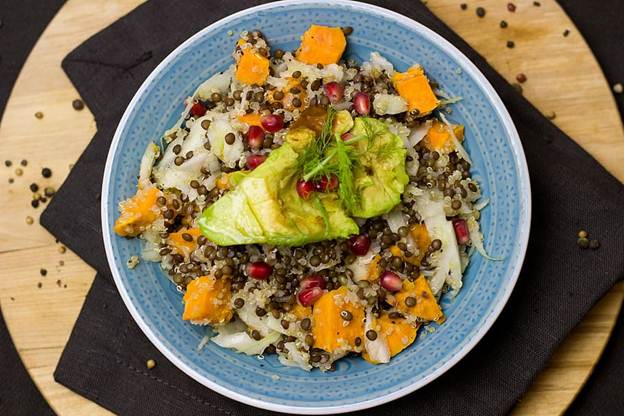
Ingredients:
– 1 red and yellow bell pepper, de-seeded and sliced
– 2 cups halved mushrooms
– 3 medium sliced zucchinis
– Sea salt and pepper
– 3 tablespoon olive oil
– Juice of half a lemon
– Pinch of red pepper flakes
– 1 tablespoon dried oregano
– 1/2 tablespoon smoked paprika
– Cubed avocado for serving
– Fresh cilantro, for serving
For Cauliflower Rice:
– 1 tablespoon coconut oil
– 1 diced onion
– 2 crushed garlic cloves
– 2 cups riced cauliflower
– 1 cup chicken or vegetable stock
– Sea salt and pepper
Method:
1. Preheat oven to 400 Fahrenheit. Place bell peppers, zucchini, and mushrooms on a baking sheet. Drizzle with olive oil, lemon juice, salt, pepper, oregano, paprika, and red pepper flakes.
2. Roast vegetables until done.
3. For the cauliflower rice, sauté onion and garlic in coconut oil until soft. Add cauliflower and stock, letting the mixture cook until the stock evaporates and cauliflower is tender.
4. Serve hot with avocado and cilantro.
Potato and Olive Stuffed Banana Peppers

Ingredients:
Tomato Sauce:
– 1 tablespoon olive oil
– 1 cup chopped red onion
– 1 clove
– 1/2 teaspoon minced garlic
– 1 tablespoon balsamic vinegar
– 1 tablespoon ground cumin
– 1 tablespoon dried oregano
– 400 grams tin of chopped tomatoes
– 1/2 cup water
Stuffing for Olive and Potato:
– 3 tablespoons olive oil
– 1 1/2 teaspoons minced garlic
– 500 grams potatoes, cubed
– 2 teaspoons dried oregano
– 1 cup pitted green olives
– 2 teaspoons ground cumin
– 6 sweet pointed peppers
– 1/2 teaspoon sea salt
Method:
*Tomato Sauce & Peppers*
1. Heat olive oil, add onion, garlic, and balsamic vinegar. Cook and stir in cumin, oregano, tomatoes, and water. Simmer and season.
2. Prepare banana peppers by cutting and removing seeds.
*Potato & Olive Filling*
1. Preheat oven. Sauté potatoes, garlic, cumin, oregano, and peppers. Add sauce, olives, and salt.
2. Assemble by filling peppers with the mixture.
3. Bake uncovered until tender, then serve.
Explore these delicious recipes to add variety and nutrition to your vegetarian Paleo diet. By incorporating these flavorful dishes into your meal plan, you can enjoy a wholesome and satisfying culinary experience while reaping the benefits of a plant-based Paleo lifestyle.
Understanding the Paleo Diet
Before diving into the specifics of a vegetarian Paleo diet, it’s important to understand the Paleo diet’s basic principles. At its core, the Paleo diet, also known as the “caveman diet,” emulates the way our hunter-gatherer ancestors ate. It includes foods that could be hunted or gathered, such as lean meats, fish, fruits, vegetables, nuts, and seeds. It excludes processed foods, dairy products, grains, and legumes, which entered our diet after the advent of farming and agriculture.
Vegetarian Paleo: A Twist on the Traditional Approach
Following a vegetarian Paleo diet can seem tricky, given the emphasis on meat in the traditional Paleo diet. However, it’s entirely possible – and can be quite beneficial. The vegetarian Paleo diet incorporates the principles of both vegetarianism and Paleo, focusing on whole, unprocessed plant-based foods while still eliminating grains and legumes. This unique dietary approach requires some creativity, but it can lead to improved health and well-being.
Building Your Vegetarian Paleo Diet Plan
As mentioned earlier, a vegetarian Paleo diet can include eggs, fruits, seeds, nuts, and fish. However, you might be wondering where the protein comes from if not from meat. The answer lies in incorporating high protein plant-based foods such as spirulina, hemp seeds, and chia seeds. These not only provide you with essential amino acids but also supply a good dose of healthy fats and fiber.
Sample Vegetarian Paleo Meal Plan
To give you a clearer idea of what a vegetarian Paleo diet might look like, here’s a sample menu:
- Breakfast: A smoothie made with almond milk, spinach, blueberries, and a tablespoon of spirulina.
- Lunch: A salad of mixed greens, sliced avocado, cherry tomatoes, cucumber, and a dressing made from olive oil and lemon juice.
- Dinner: Baked salmon with a side of roasted broccoli and cauliflower, seasoned with sea salt and black pepper.
- Snacks: A handful of raw nuts or seeds, or a piece of fruit.
Benefits of a Vegetarian Paleo Diet
The combination of a Paleo and vegetarian diet shifts your plate toward whole, minimally processed foods. Cutting processed foods can make it easier to manage how much you eat, although weight change depends on your overall diet and research on this specific combination is limited. Some people also find that eating less dairy and refined grain suits their digestion, and a base of fruits, vegetables and healthy fats is a sound starting point for everyday eating.
Real-World Applications
The vegetarian Paleo diet isn’t just a fad – it has real-world applications. For instance, endurance athletes have reported increased performance and recovery times when following this diet. Not to mention, the diet can also be beneficial for those looking to manage chronic conditions such as diabetes or heart disease.
Case Study: The Vegetarian Paleo Athlete
Consider the case of a marathon runner who switched to a vegetarian Paleo diet. Prior to the switch, she suffered from frequent digestive issues and often felt sluggish. After adopting the diet, not only did her digestive issues subside, but she also noticed improved energy levels, better sleep, and faster recovery times. This is a testament to the power of a balanced, nutrient-dense diet that supports overall health and well-being.
Key Takeaways: Vegetarian Paleo Diet
Switching to a vegetarian Paleo diet can seem daunting, but with a little planning and creativity, it can be a rewarding path to better health. Remember, this diet isn’t about restriction. It’s about nourishing your body with the foods it was designed to eat. Enjoy the process and the improvements in your health along the way.
Related guides
Part of our Paleo Recipes: The Complete Hub hub.
- 5 Best Paleo Beef Jerky Recipes (Easy Homemade Snacks)
- 5 Paleo Potato Recipes: Healthy Ways to Enjoy Potatoes
- 5 Delicious Paleo Snack Recipes (Healthy & Easy)
Frequently Asked Questions
Can you really do Paleo as a vegetarian?
Yes. A vegetarian Paleo diet replaces meat with eggs, nuts, seeds, and high-protein plant foods like hemp seeds and spirulina. It still excludes grains, dairy, legumes, and processed foods, staying true to core Paleo principles while fitting a plant-based lifestyle.
What are the best protein sources on a vegetarian Paleo diet?
The strongest protein sources are eggs (up to six per week), hemp seeds, chia seeds, spirulina, nuts, and soaked or sprouted legumes. These foods help close the protein gap that can arise when meat and fish are removed from a standard Paleo plan.
Are beans and legumes allowed on a vegetarian Paleo diet?
Traditional Paleo excludes legumes, but a vegetarian adaptation may include them for protein. Soaking or sprouting beans before cooking reduces anti-nutrients and improves digestibility, making them a more practical and nutritious option within a flexible vegetarian Paleo framework.
What foods should you avoid on a vegetarian Paleo diet?
Avoid sugar, grains, dairy products, vegetable oils, artificial sweeteners, and processed beverages. These are excluded under standard Paleo principles because they are considered modern, processed foods that were not part of a hunter-gatherer diet.
Research cited in this guide
We checked this guide against the nutrition and health sources below. They are worth reading for the underlying detail.