
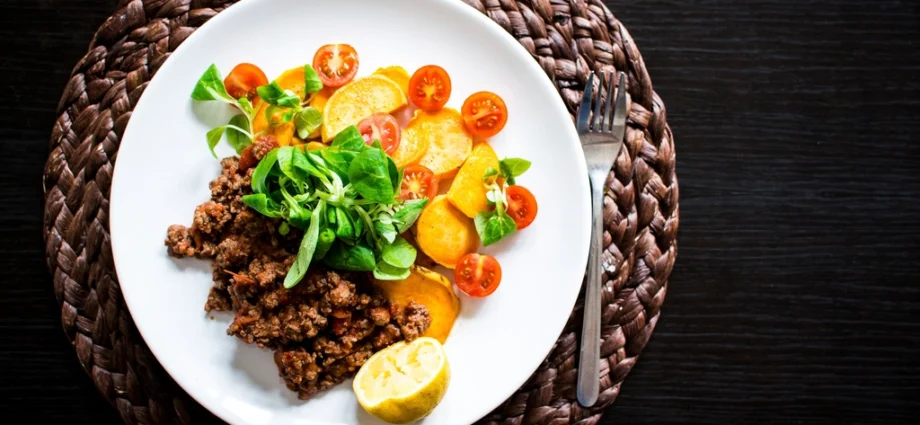
The word “paleo” gets thrown around a lot, but building an actual paleo meal — one that is satisfying, nutritionally complete, and realistic for a busy schedule — is where most people get stuck. This guide goes beyond the basic food list to show you exactly how to construct a paleo meal for different scenarios, what to watch out for, and how to make the approach sustainable long-term.
Quick answer: A paleo meal centers on whole, unprocessed foods our ancestors could have hunted or gathered: lean meats, fish, eggs, vegetables, fruits, nuts, and seeds. It excludes grains, dairy, legumes, refined sugar, and processed oils, focusing on nutrient density over calorie counting.
Key takeaways
- Protein anchors every paleo meal — think eggs, chicken, beef, fish, or pork as your starting point
- Non-starchy vegetables should fill at least half your plate for fiber, vitamins, and volume
- Healthy fats from avocado, olive oil, coconut oil, and nuts replace processed seed oils and dairy
- Starchy paleo-friendly carbs like sweet potato, butternut squash, and plantains fuel active lifestyles without grains
- Meal prepping proteins and roasted vegetables in batches makes weekday paleo eating practical and affordable
- Reading ingredient labels matters — many “paleo-friendly” packaged foods still contain non-compliant additives
In this guide
Note: This article is general nutrition information, not medical or dietary advice. Consult a qualified healthcare professional before making significant changes to your diet, especially if you have an existing health condition.
What Actually Defines a Paleo Meal?
The paleo framework is built on a straightforward premise: eat foods that would have been available to pre-agricultural humans. In practice, that means prioritizing whole, single-ingredient foods and eliminating anything that requires significant industrial processing.
Foods included in a paleo meal:
- Meat and poultry (beef, chicken, turkey, pork, lamb, bison)
- Seafood and fish (salmon, sardines, shrimp, cod, tuna)
- Eggs
- Vegetables (almost all varieties)
- Fruits (fresh and dried in moderation)
- Nuts and seeds (almonds, walnuts, pumpkin seeds, sunflower seeds)
- Healthy fats (avocado, olive oil, coconut oil, ghee — though ghee is debated)
- Herbs and spices
Foods excluded from a paleo meal:
- Grains (wheat, oats, rice, corn, barley)
- Legumes (beans, lentils, peanuts, soy)
- Dairy (milk, cheese, butter — though some practitioners allow ghee or grass-fed butter)
- Refined sugar and artificial sweeteners
- Processed vegetable and seed oils (canola, soybean, sunflower)
- Packaged and ultra-processed foods
Understanding this boundary is the first step. The second step is knowing how to put these ingredients together into meals that actually keep you full and energized.
The Simple Formula for Building Any Paleo Meal
Rather than following rigid recipes every time, it helps to have a mental template you can apply to whatever ingredients you have on hand. Think of every paleo meal as having three core components:
- A protein anchor — This is the centerpiece. Aim for a palm-sized portion (roughly 4–6 oz for most adults). Options include eggs, chicken thighs, ground beef, salmon fillet, pork tenderloin, or lamb chops.
- A vegetable base — This fills volume and provides fiber, vitamins, and minerals. Roasted, steamed, raw, or sautéed vegetables should take up roughly half the plate. Broccoli, zucchini, spinach, kale, bell peppers, cauliflower, and asparagus are all excellent choices.
- A fat source — Fat is what makes a paleo meal satisfying and helps with fat-soluble vitamin absorption. Drizzle olive oil over vegetables, slice half an avocado on the side, or cook your protein in coconut oil. This is not optional — skipping fat leads to hunger and poor adherence.
You can optionally add a starchy carbohydrate — sweet potato, butternut squash, plantain, or beets — especially if you are physically active or finding yourself fatigued on a strict paleo approach.
Paleo Meal Ideas for Specific Scenarios
Generic meal lists are not particularly useful. Here are paleo meal ideas mapped to real-life situations:
Scenario 1: Weekday Breakfast in Under 10 Minutes
Scrambled eggs cooked in coconut oil with a handful of baby spinach wilted in the pan, topped with sliced avocado and a pinch of sea salt. Add a small portion of leftover roasted sweet potato if you need more carbohydrates. This meal takes about 8 minutes, requires no special ingredients, and delivers protein, healthy fat, and micronutrients in one pan.
Scenario 2: Office Lunch Without a Microwave
A large mason jar salad works well here. Layer romaine lettuce, cherry tomatoes, cucumber slices, shredded rotisserie chicken (check the label — many store-bought rotisserie chickens use non-paleo seasonings or oils), sliced olives, and a dressing of olive oil, lemon juice, and Dijon mustard. Pack nuts separately to keep them crunchy. This is portable, requires no heating, and keeps you full through the afternoon.
Scenario 3: Post-Workout Recovery Meal
After intense exercise, your body needs protein for muscle repair and carbohydrates to replenish glycogen. A paleo-compliant post-workout meal might be ground beef stir-fried with mixed vegetables (broccoli, snap peas, mushrooms) in coconut aminos instead of soy sauce, served over a generous portion of mashed sweet potato. This combination covers all the recovery bases without grains or processed foods.
Scenario 4: Feeding a Family (Including Non-Paleo Members)
Build meals around a shared protein and let people customize their sides. Grilled salmon or burger patties work for everyone. Paleo family members get theirs with roasted vegetables and sweet potato fries. Non-paleo members can add a bun, rice, or regular fries. This approach avoids cooking two separate dinners and reduces friction around the eating style.
Scenario 5: Budget-Conscious Paleo Eating
Grass-fed beef and wild-caught salmon are ideal but expensive. Practical budget moves include buying chicken thighs instead of breasts (cheaper, more flavorful, and fattier — which is actually beneficial on paleo), purchasing eggs in bulk, buying frozen vegetables (nutritionally comparable to fresh), and focusing on seasonal produce. Organ meats like chicken liver are extremely nutrient-dense and very affordable — though they take some culinary adjustment.
Paleo Meal Comparison: Common Swaps
| Standard Meal Component | Paleo Swap | Notes |
|---|---|---|
| White or brown rice | Cauliflower rice or diced sweet potato | Cauliflower rice is lower carb; sweet potato provides more energy |
| Pasta | Zucchini noodles or spaghetti squash | Pairs well with meat-based sauces; lighter texture |
| Sandwich bread | Lettuce wraps or portobello mushroom caps | Works for burgers, wraps, and open-face options |
| Soy sauce | Coconut aminos | Similar umami flavor, slightly sweeter, soy-free |
| Vegetable/canola oil | Avocado oil or coconut oil | Both have high smoke points suitable for cooking |
| Peanut butter | Almond butter or sunflower seed butter | Peanuts are legumes; tree nut butters are paleo-compliant |
| Milk or cream | Full-fat coconut milk | Works in soups, curries, smoothies, and sauces |
Common Mistakes That Undermine a Paleo Meal
Even people who understand the food list often fall into patterns that reduce the effectiveness or sustainability of paleo eating.
Mistake 1: Not Eating Enough Fat
Without grains and dairy, fat becomes the primary energy source alongside protein. People who treat paleo like a low-fat diet end up hungry, fatigued, and frustrated. Do not be afraid of fatty cuts of meat, olive oil, or avocados — these are foundational, not optional.
Mistake 2: Overloading on Paleo-Labeled Packaged Foods
A growing market of “paleo-friendly” snack bars, crackers, and desserts exists — and many are genuinely compliant. But relying on these heavily misses the point of the dietary approach and can stall progress. Whole food meals built from scratch should make up the majority of your intake.
Mistake 3: Ignoring Vegetable Variety
Eating the same two or three vegetables every day limits your micronutrient intake. Rotate through different colors and types throughout the week — dark leafy greens, cruciferous vegetables, root vegetables, and alliums like onion and garlic each offer different nutritional profiles.
Mistake 4: Skipping Meal Prep
Paleo meals require more cooking from scratch than a diet that allows packaged convenience foods. Without some level of preparation — even just batch-cooking a protein and roasting a sheet pan of vegetables on Sunday — it becomes very easy to fall back on non-compliant convenience options when time is short during the week.
Making a Paleo Meal Work Long-Term
The most common reason people abandon paleo is not lack of willpower — it is lack of variety and planning. A few practical habits make a significant difference:
- Keep a rotation of 10–15 go-to meals rather than trying to discover new recipes constantly. Familiarity reduces decision fatigue.
- Stock a paleo pantry staple list: canned coconut milk, coconut aminos, almond butter, canned fish, olive oil, ghee, and a variety of dried herbs and spices. These make improvised meals possible on any night.
- Treat the 80/20 principle as a pressure valve: many long-term paleo followers aim for strict compliance most of the time while allowing flexibility for social situations. This is more sustainable than an all-or-nothing approach for most people.
- Focus on food quality where your budget allows: prioritize pastured eggs and wild-caught fish before worrying about whether every vegetable is organic. The biggest gains come from eliminating processed foods, not from perfecting sourcing.
A paleo meal does not need to be complicated, expensive, or time-consuming to be effective. The template is simple: quality protein, abundant vegetables, adequate healthy fat, and whole-food carbohydrates when needed. Master that structure, and you can build a satisfying paleo meal from almost any combination of ingredients in your kitchen.
Related reading
Frequently Asked Questions
Is rice allowed on a paleo diet?
Traditional strict paleo excludes rice because it is a grain. However, some modern paleo followers include white rice occasionally as a lower-antinutrient option. If you are following a strict interpretation, replace rice with cauliflower rice, shredded cabbage, or diced sweet potato as a base.
Can you eat potatoes on a paleo meal plan?
White potatoes are debated in the paleo community. Many practitioners now allow them, particularly for active individuals needing carbohydrates. Sweet potatoes are universally accepted. If your goal is blood sugar management, opt for sweet potatoes or other root vegetables like parsnips and turnips instead.
How do you get enough calories on a paleo meal?
Focus on calorie-dense paleo foods: fatty cuts of meat, salmon, avocados, coconut products, eggs, and nuts. Adding a generous drizzle of olive oil to vegetables or a handful of mixed nuts to a meal significantly boosts calories without compromising paleo principles — useful for athletes or those with high energy needs.
What does a complete paleo meal look like for beginners?
A simple beginner paleo meal is a palm-sized portion of grilled chicken thighs, a large side of roasted broccoli and carrots cooked in avocado oil, and half an avocado. It requires minimal cooking skill, covers protein, fat, and micronutrients, and takes under 30 minutes to prepare.
Sources & further reading
The guidance in this article is checked against the following public health and standards sources. They are worth reading in full for the underlying detail.
